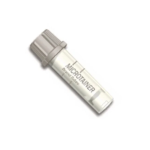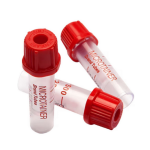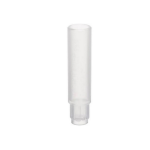
Microtainer® Tube
Price range: $119.80 through $132.80
Secure Encrypted Checkout
Need Help?
Description
Microtainer® Tube (Capillary Blood Collection Tube)
The Microtainer® Tube is a small-volume blood collection tube designed for capillary sampling when only limited blood is available. Commonly used in neonatal, pediatric, geriatric, and difficult-access patients, Microtainer® tubes support collection from skin puncture sites such as heel or fingersticks and are sized to help reduce iatrogenic blood loss associated with frequent testing. The tube format enables efficient handling from collection through transport and laboratory processing, while helping maintain sample integrity for routine clinical testing when used according to the tube’s labeling and validated laboratory procedures.
Intended use
Microtainer® tubes are intended for the collection, mixing, transport, and storage of capillary whole blood specimens for laboratory analysis. Specific test compatibility depends on the additive, fill volume, analyzer requirements, and the laboratory’s validated methods. Laboratories should follow applicable standards and manufacturer instructions for specimen acceptance criteria, including minimum volume, mixing, and processing times.
Key features
- Small-volume collection suitable for capillary draws when venous collection is not feasible or not preferred.
- Color-coded caps to aid identification of additive type and intended application.
- Integrated additive options (varies by tube) to support serum, plasma, or whole blood testing workflows.
- Mixing support to promote proper distribution of anticoagulant or clot activator when gently inverted as directed.
- Compact, closed-tube format designed for safer handling and reduced exposure during specimen transport and processing.
Typical additive configurations (may vary by offering)
| Cap/additive type | Common specimen | Typical use examples |
|---|---|---|
| EDTA (K2/K3) | Whole blood | Hematology parameters (e.g., CBC) when validated |
| Lithium heparin | Plasma/whole blood | Chemistry testing on heparinized specimens when validated |
| Serum/clot activator (or serum separator options) | Serum | Serology/chemistry requiring serum when validated |
| Fluoride/oxalate | Plasma | Glucose-related testing where glycolysis inhibition is required when validated |
Collection and handling considerations
- Confirm the correct tube type for the requested test and verify expiration date and package integrity.
- Perform skin puncture using an appropriate sterile lancet and allow free-flowing blood to form; avoid excessive squeezing to help reduce hemolysis and tissue fluid contamination.
- Fill the tube to the indicated level to maintain the correct blood-to-additive ratio.
- Cap securely and gently invert the tube the recommended number of times to mix additives; do not shake.
- Label at the bedside with required patient identifiers and collection details, then transport under laboratory-defined conditions.
Compatibility and processing
Microtainer® tubes may be used with laboratory workflows that accept capillary specimens, including centrifugation for serum/plasma preparation when applicable and validated. Because capillary specimens can differ from venous specimens, laboratories should establish or follow existing policies for reference intervals, sample quality checks (e.g., clots, hemolysis), and minimum volume requirements for specific analyzers.
Storage and quality
Store tubes according to labeling, typically at controlled room temperature and protected from extreme heat, moisture, and direct sunlight. Do not use if the tube is damaged, contaminated, or expired. For in vitro diagnostic use by trained healthcare professionals in accordance with institutional policies and applicable regulations.