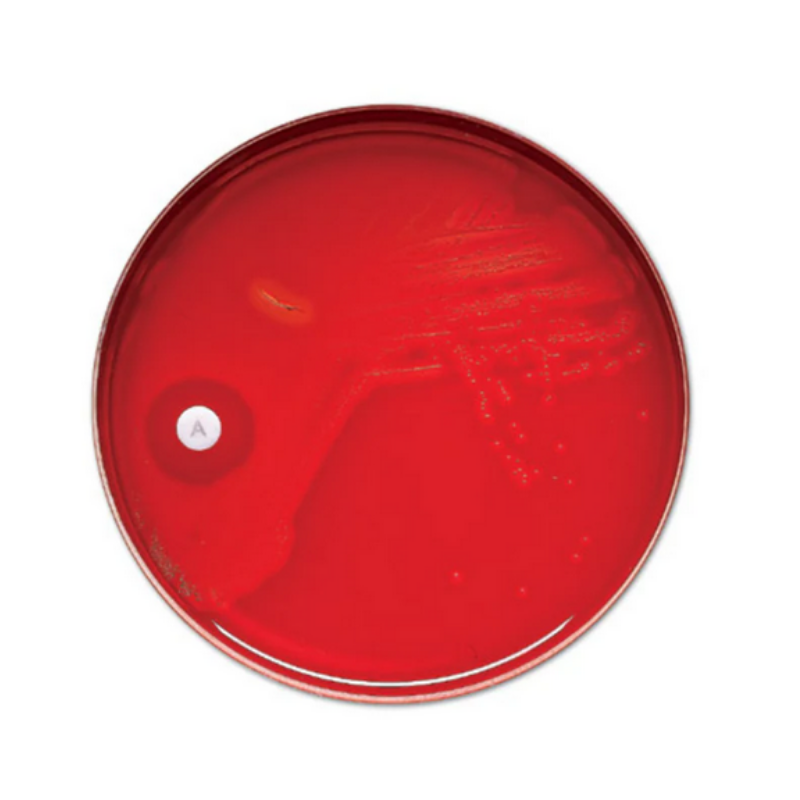
BBL Taxo P Disc, for Differentiating Pneumococci
Price range: $46.10 through $200.40
Secure Encrypted Checkout
Need Help?
Description
BBL Taxo P Disc, for Differentiating Pneumococci
The BBL Taxo P Disc is a standardized, paper disc reagent used in clinical microbiology laboratories to aid in the presumptive identification and differentiation of Streptococcus pneumoniae (pneumococci) from other alpha-hemolytic streptococci (viridans group streptococci). The disc contains optochin (ethylhydrocupreine hydrochloride), an antimicrobial agent to which pneumococci are characteristically susceptible under defined test conditions. When used with appropriate culture media and incubation parameters, the Taxo P Disc supports a clear, interpretable zone of inhibition response that can be used as part of an organism identification workflow.
This disc method is commonly incorporated into routine testing of isolates recovered from respiratory specimens, blood cultures, cerebrospinal fluid, and other clinical sources where pneumococcal infection may be suspected. The Taxo P Disc is intended for use by trained laboratory personnel following established laboratory procedures, applicable standards, and local regulatory requirements. Results should be interpreted in conjunction with colony morphology, hemolysis pattern, Gram stain, and other confirmatory tests as needed.
Principle of the Test
Optochin selectively inhibits the growth of S. pneumoniae at low concentrations compared with most viridans group streptococci. After a lawn of the test organism is inoculated onto a suitable agar plate, the disc is placed on the surface and the plate is incubated. Susceptibility is indicated by the presence of an inhibition zone around the disc. Resistant organisms typically grow up to the disc edge or produce only a minimal zone. Zone diameter criteria and incubation conditions should follow the instructions for use and recognized reference guidance, as media type, atmosphere, and incubation time can affect performance.
Key Features
- Standardized optochin disc format for consistent placement and diffusion on agar media.
- Supports presumptive differentiation of pneumococci from other alpha-hemolytic streptococci.
- Compatible with common laboratory workflows for testing isolated colonies on appropriate agar.
- Clear zone-based readout enabling straightforward interpretation when used under specified conditions.
Intended Use and Applications
The BBL Taxo P Disc is used as part of phenotypic identification algorithms in clinical bacteriology. It is particularly useful when alpha-hemolytic colonies resemble pneumococci but require differentiation from viridans streptococci. The disc test may be performed alongside bile solubility or other confirmatory methods depending on laboratory policy and clinical context. As with all diagnostic aids, the Taxo P Disc should not be used as the sole basis for reporting without considering the full set of laboratory and clinical information.
General Workflow Overview
- Prepare a suitable agar plate inoculated with the test organism to obtain confluent growth.
- Apply the Taxo P Disc to the inoculated surface using sterile technique.
- Incubate under the specified atmosphere and temperature for the recommended duration.
- Measure and interpret the zone of inhibition according to the product instructions and accepted criteria.
Quality and Handling Considerations
For reliable performance, discs should be stored and handled as directed to protect potency (for example, maintaining appropriate temperature and minimizing moisture exposure). Laboratories should include quality control testing with recommended control strains at defined intervals to verify disc activity and method performance. Use within the stated shelf life and do not use discs that appear damaged or compromised.
Reporting and Limitations
The Taxo P Disc provides a presumptive differentiation result and may require confirmation in certain cases, including atypical isolates, mixed cultures, or suboptimal growth conditions. Accurate identification depends on proper isolation of the organism, correct media selection, and adherence to incubation requirements. Always consult the manufacturer’s instructions for use and your laboratory’s standard operating procedures for detailed criteria, quality control recommendations, and result reporting practices.
